Explore the Laboratory’s computing infrastructure for machine learning, robot simulation and research data processing, alongside embedded computing for deploying perception and decision-making methods on robotic hardware.
Workstations
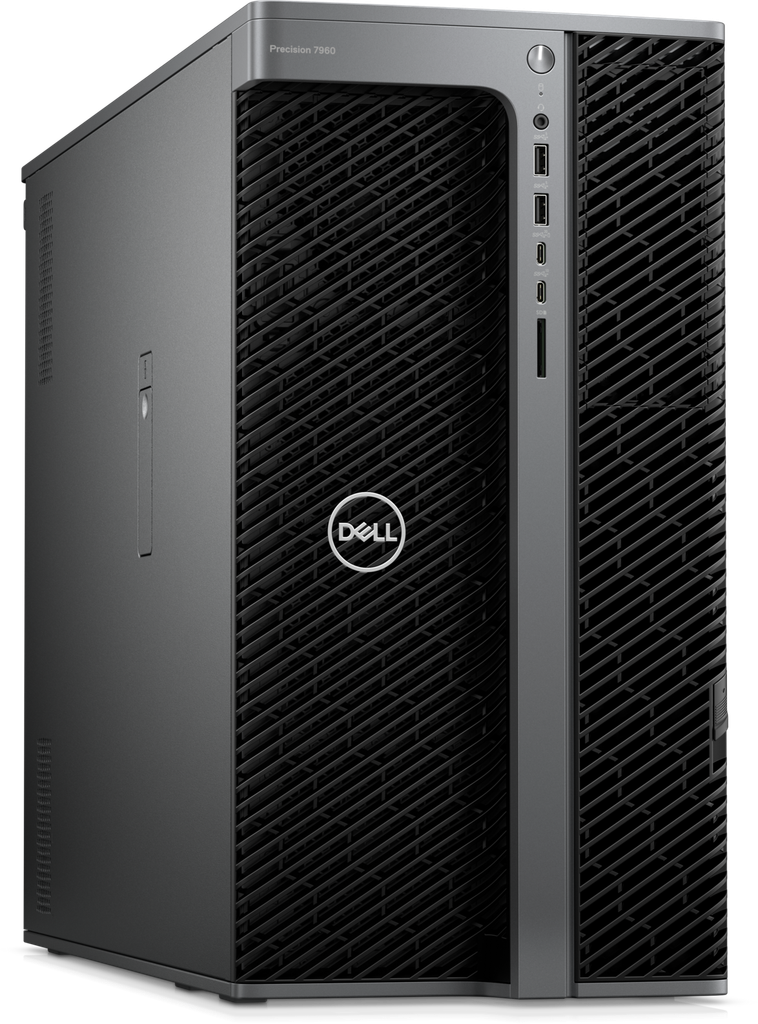
Dell Precision 7960 Tower
Incoming
A multi-GPU research workstation for machine learning, robot simulation and the processing of visual, spatial and spectral data.
Research use & technical specifications
Research capabilities
Planned applications include training and evaluating machine learning models, processing datasets acquired by robotic sensors, and conducting simulation-based experiments. Its multiple GPUs will support parallel experiments and workloads configured for distributed processing.
The workstation will complement the Laboratory’s embedded computing equipment, supporting computational development before methods are adapted for deployment on robotic hardware.
Key specifications
- Operating system: Windows 11 Pro.ulation equipment is presented separately in the corresponding resource sections.
- CPU: Intel Xeon w9-3495X, with 56 cores and 112 threads.
- GPUs: 3 × NVIDIA RTX 6000 Ada Generation, each with 48 GB GDDR6 memory.
- System memory: 512 GB DDR5 ECC RDIMM, configured as 8 × 64 GB at 4800 MHz.
- SSD storage: 2 × 1 TB PCIe NVMe drives.
- HDD storage: 3 × 12 TB enterprise-class SATA drives.
Embedded & Edge Computing
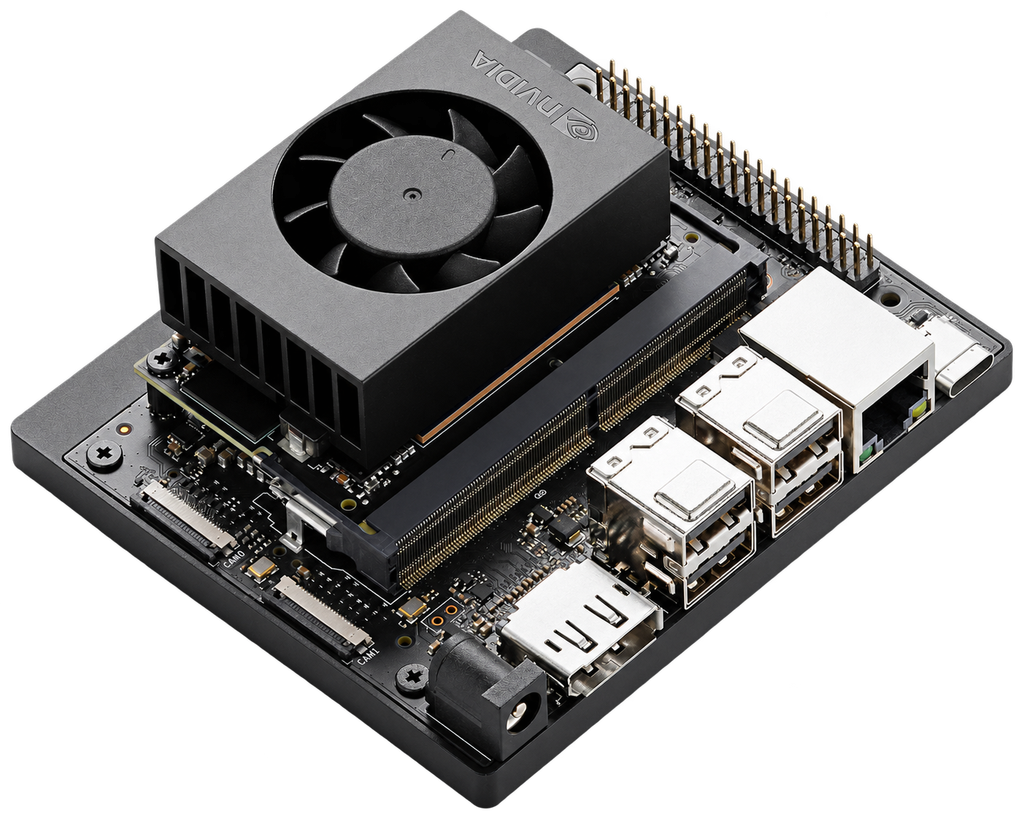
NVIDIA Jetson
Available
Embedded GPU computing platforms for research in robot perception, onboard inference and decision-making under memory, power and latency constraints.
Research use & technical specifications
Research capabilities
The Laboratory’s Jetson platforms support the development and evaluation of embedded AI applications, including visual perception, sensor data processing and robotic decision-making. They enable experiments with model optimisation, numerical precision and the relationship between inference latency, memory use and energy consumption.
Available hardware
- NVIDIA Jetson Orin Nano.
- NVIDIA Jetson Xavier family.
Development environment
NVIDIA JetPack, CUDA and TensorRT, using software versions compatible with each device.
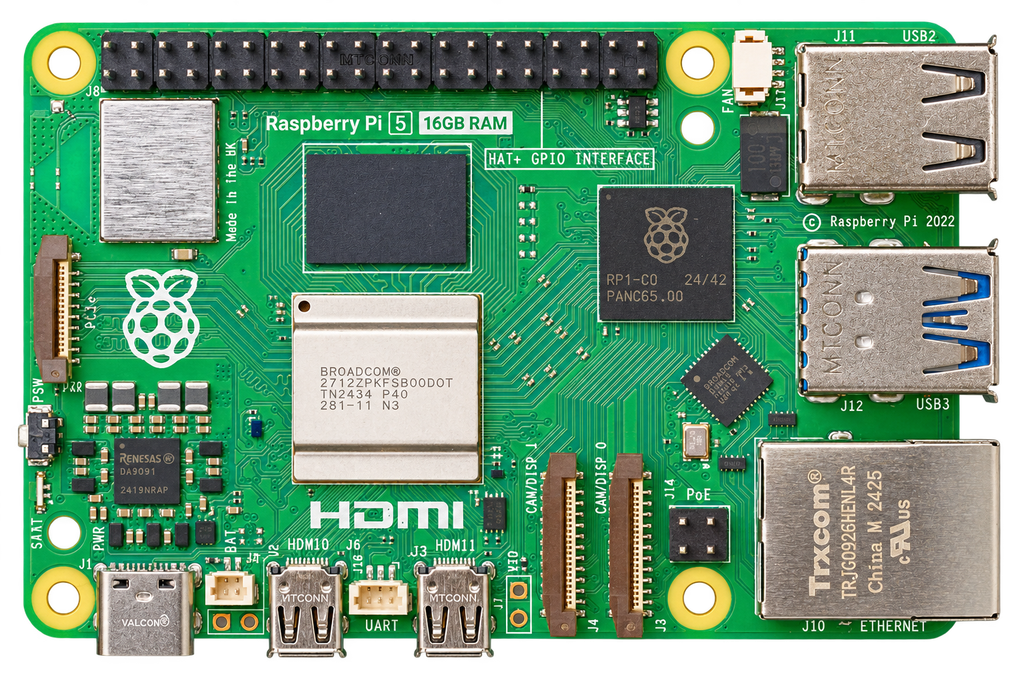
Raspberry Pi
Available
A compact single-board computer for sensor interfacing, data acquisition and the prototyping of embedded robotic applications.
Research use & technical specifications
Research capabilities
TPotential applications include sensor integration, data logging, communication between robotic components and the evaluation of lightweight processing methods on embedded hardware.
Key specifications
- CPU: Quad-core 64-bit Arm Cortex-A76 at 2.4 GHz.
- Memory: 16 GB LPDDR4X.
- Interfaces: 40-pin GPIO header, USB and two MIPI camera/display connectors.
- Connectivity: Gigabit Ethernet, dual-band Wi-Fi and Bluetooth.
- Expansion: PCIe 2.0 ×1 through a compatible adapter.